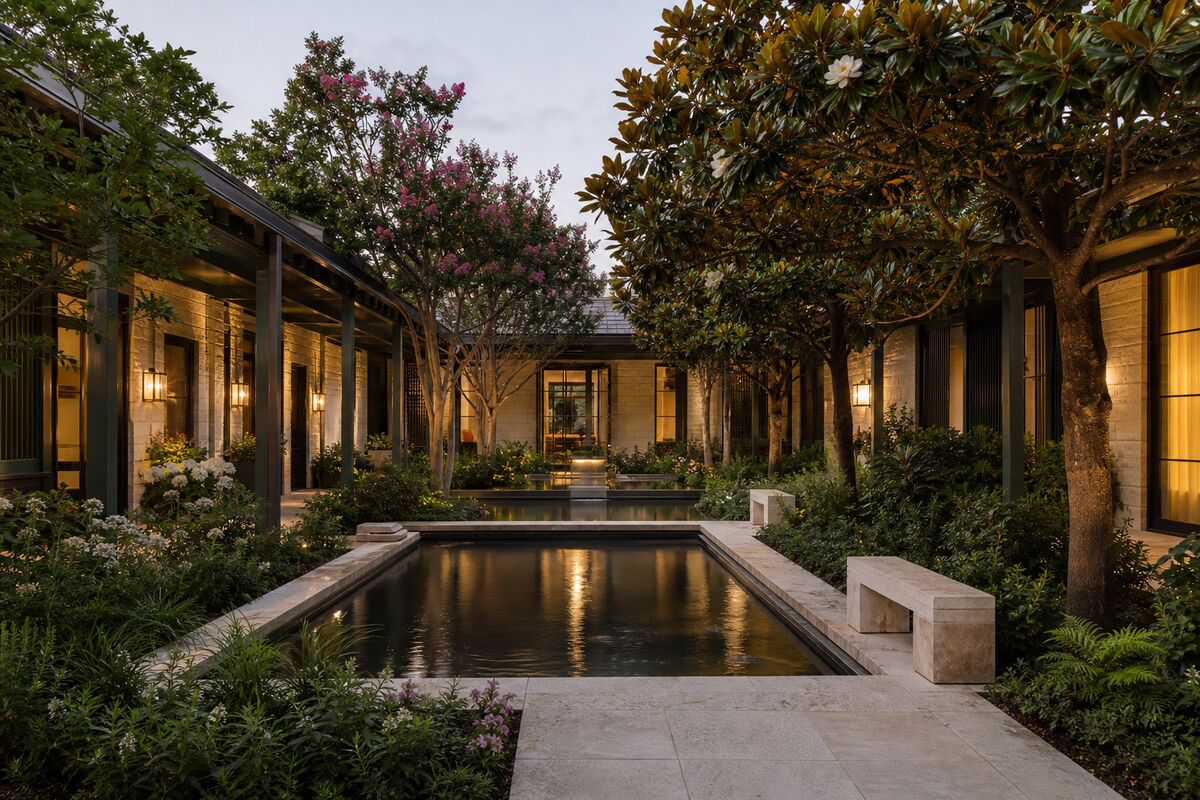
Concept rendering of the rear courtyard at The Gardens at RedBird: a still reflecting pool framed by magnolia and crepe myrtle trees, a stone colonnade, and warm light in the patient suite windows at dusk.

Post-Acute Palliative Care · In Development · Dallas, Texas

Every chapter of life deserves a garden. Even the last one.

The Gardens at RedBird is a community-rooted network of serious-illness care being built for South Dallas, Oak Cliff, and Pleasant Grove — so that comfort, expertise, and dignity live in the same neighborhoods our families do.

Concept rendering

Our Conviction


Parity is not a program. It is a promise.

South Dallas, Oak Cliff, and Pleasant Grove have waited a long time for care that arrives whole — not care that arrives late, at a distance, or only in an emergency. Families here have driven across the city to sit at a bedside. They have been asked to trade proximity for expertise, and dignity for availability. That trade should never have been offered.

We believe the ZIP code a person lives in should never decide the dignity they receive. Serious illness does not respect a map, and neither should the response to it. The same standard of comfort, the same clinical depth, and the same architectural care that a family would find north of the river belong here, in the neighborhoods that have carried this city for generations.

The Gardens at RedBird is being built on that conviction. Not as an outpost of a system headquartered somewhere else, but as an institution of this corridor — planned with its clinicians, its congregations, its civic leaders, and the families who will one day walk through its doors.

The RedBird Corridor


A corridor has been building itself, one season at a time.

Investment has returned to RedBird in a deliberate sequence — primary care, specialty medicine, pediatrics. Read the sequence and the missing season names itself.

  1. 2021

    Parkland C.V. Roman Health Center

    Primary and preventive care takes root in the corridor.

  2. 2022

    UT Southwestern Medical Center at RedBird

    Specialty and academic medicine arrives close to home.

  3. 2027

    Children’s Health Specialty Center RedBird

    Care for the corridor’s youngest lives, announced and underway.

Every stage of life has been answered here except the last one. That is the gap The Gardens at RedBird is being built to close.

The Model


One flagship. Three front doors.

The Flagship Garden

A 15-bed inpatient sanctuary planned for the RedBird corridor — highway-visible and built to investment-grade architectural standards, because a building is the first argument a community hears about what it is worth. Designed so that a family arriving on the hardest day of their lives finds a place that was clearly built on purpose, and built for them.

  • 15 private suites, sized for growth to 30
  • Gardens woven through the campus, not added at the edges
  • Round-the-clock clinical expertise in serious-illness care
The Garden Centers

Three neighborhood front doors, so that support begins long before an inpatient stay is ever needed.

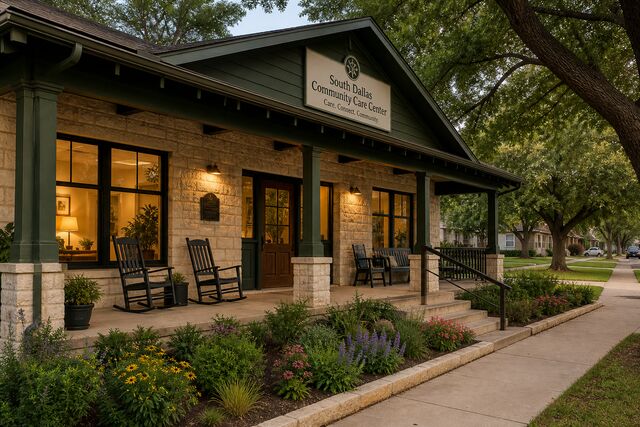
  • Concept rendering of a South Dallas garden center: a modest limestone building with a deep covered front porch, rocking chairs, and native flower beds along the sidewalk.
    Garden Center

    South Dallas

    A neighborhood front door for symptom support, care planning, and family guidance — on a street families already know.

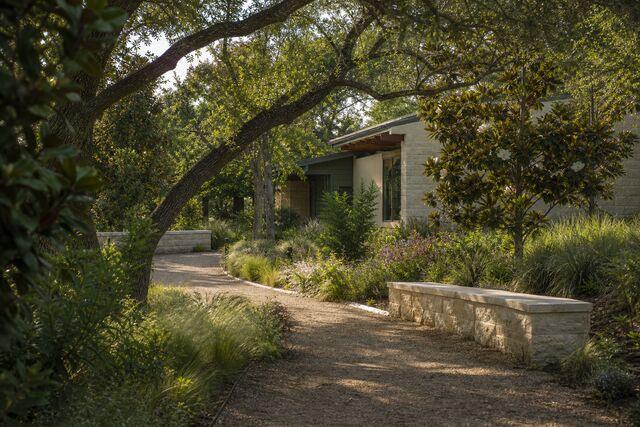
  • Concept rendering of a shaded garden walking path bordered by native Texas grasses and magnolia trees, leading toward a low limestone care building.
    Garden Center

    Oak Cliff

    Clinical consultation and caregiver support set inside a garden, close enough to reach without planning a whole day around it.

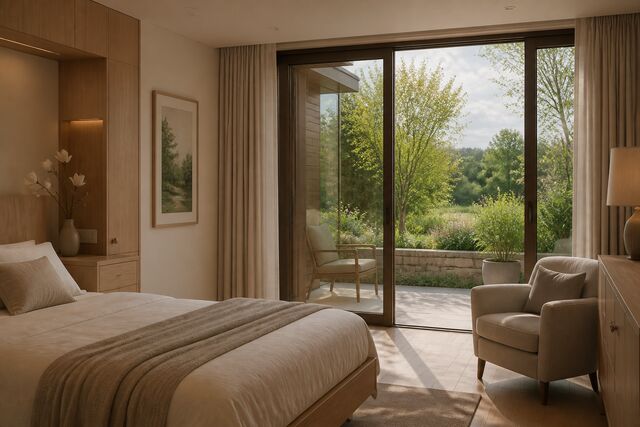
  • Concept rendering of a private care suite with warm oak millwork, linen bedding, a family armchair, and a glass door opening onto a private garden terrace.
    Garden Center

    Pleasant Grove

    A steady local presence for serious-illness care, so that expertise arrives in the neighborhood rather than across the city.

Concept renderings

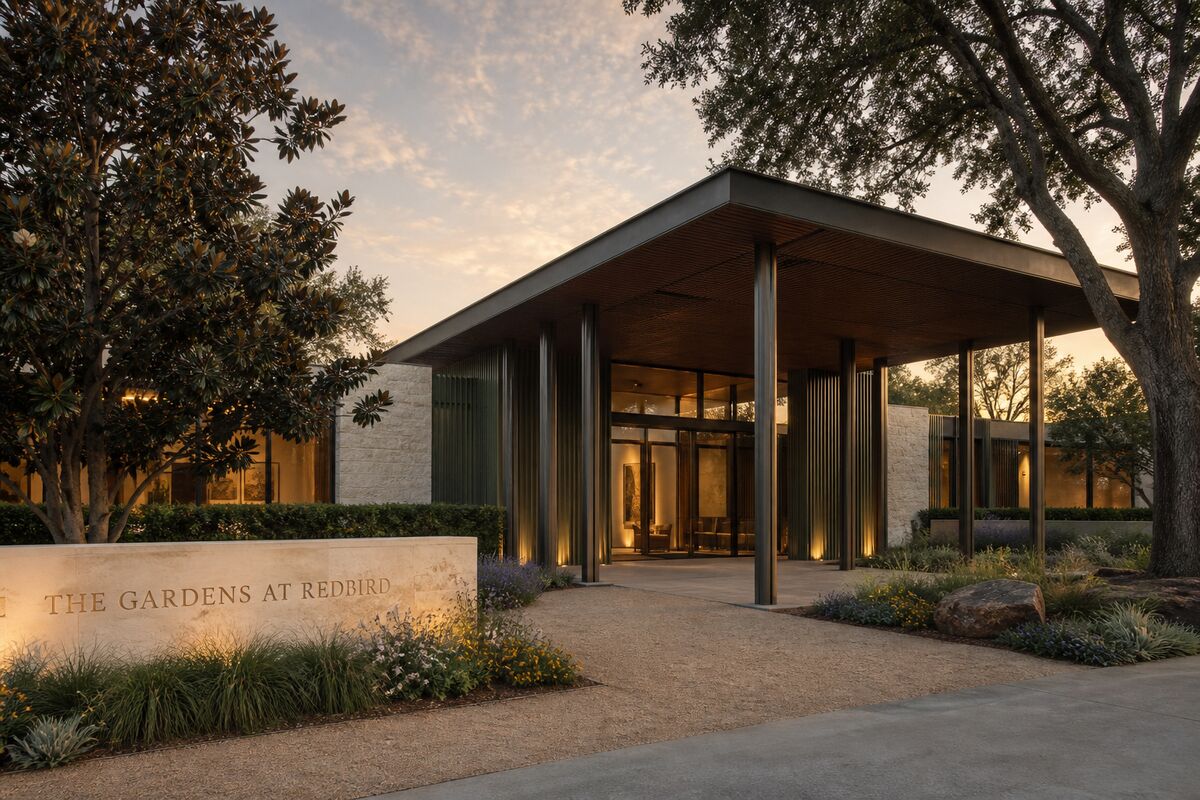
Concept rendering of the front entrance of The Gardens at RedBird at dusk: a covered portico with slender columns, warm light through floor-to-ceiling glass, and a carved limestone monument sign reading The Gardens at RedBird.

The front door is the first thing a family sees. It should tell them, before anyone says a word, that they came to the right place.

Concept rendering · RedBird Corridor

Founder


Dr. Aaron H. Gaddis

DMiN · LMSW · ThM

Built by someone who has sat at the bedside.

This work did not begin with a business plan. It began in rooms where families were told there was nothing more to do, in a city where the distance between a diagnosis and a place to be cared for was measured in miles and in money. Dr. Gaddis has spent his career at that intersection — as a clinician, a social worker, and a minister — accompanying people through the last chapter and watching how differently that chapter unfolds depending on where a family happens to live.

The Gardens at RedBird grew out of that accumulated evidence. It is being planned in conversation with the corridor’s clinicians, congregations, and civic leaders rather than presented to them, because an institution that intends to be trusted at the end of life has to earn that trust long before it opens its doors.

“We are not bringing care to the community. We are building it with the community — from the soil up.”

Questions


What people ask us first.

Is The Gardens at RedBird currently accepting patients?

No. The Gardens at RedBird is in active development and is not yet providing patient care. If you or a loved one need immediate serious-illness support, please contact your physician or local health system.

What is palliative care?

Palliative care is specialized care for people living with a serious illness. It focuses on relief from symptoms and stress, and on quality of life for both the person and their family. It can be provided alongside treatment intended to cure.

Which Dallas neighborhoods will The Gardens at RedBird serve?

The planned network is being built for South Dallas, Oak Cliff, and Pleasant Grove, with a flagship inpatient sanctuary planned for the RedBird corridor and three neighborhood garden centers.

How can an organization partner with The Gardens at RedBird?

Health systems, clinicians, foundations, investors, congregations, civic leaders, and community advisors can start a conversation through the partnership inquiry form below, by email at gaddisaaron1@gmail.com, or by phone at 469-978-5327.

Get Involved


Gardens grow by many hands.

The Gardens at RedBird is being built in the open, with the people who will stand beside it. There is a place in this work for institutions, for capital, and for neighbors.

  • Partners

    Clinical & Civic Partners

    Health systems, physician groups, hospices, congregations, and civic organizations shaping how serious-illness care reaches this corridor.

  • Supporters

    Founding Supporters

    Foundations, investors, and donors underwriting the flagship sanctuary and the neighborhood garden centers that surround it.

  • Advisors

    Community Advisors

    Neighbors, families, and community leaders whose lived experience keeps the plan honest and rooted where it belongs.

Start a conversation.

Tell us who you are and what you would like to explore. Inquiries reach the founding team directly, and you can expect a personal reply.

Partnership inquiry form

Please do not include medical or personal health information in this form. This is not a patient intake channel.

The Gardens at RedBird is in active development and is not yet providing patient care. If you or a loved one need immediate serious-illness support, please contact your physician or local health system.